

In the dynamic landscape of food - processing equipment, the question of whether fastening fixtures can be used is of significant importance. As a supplier of fastening fixtures, I've witnessed this query surface time and time again from clients in the food - processing industry. This blog aims to delve into the feasibility, benefits, challenges, and best practices of using fastening fixtures in food - processing equipment.
Feasibility of Using Fastening Fixtures in Food - Processing Equipment
The short answer is yes, fastening fixtures can indeed be used in food - processing equipment. However, it's not as straightforward as just installing any type of fixture. Food - processing environments are highly regulated due to the direct impact on human health. Any component used in food - processing equipment must meet strict safety and hygiene standards.
Fastening fixtures play a crucial role in holding various parts of food - processing equipment together. They ensure the stability and proper functioning of conveyors, mixers, slicers, and other machinery. For example, in a large - scale bread - making machine, fastening fixtures are used to secure the belts and rollers that transport the dough through different stages of the baking process. Without reliable fastening, these components could shift or come loose, leading to production disruptions and potential safety hazards.
Types of Fastening Fixtures Suitable for Food - Processing Equipment
There are several types of fastening fixtures that are well - suited for food - processing applications. One such type is the Overhanging Fastener. This type of fastener is designed to provide a secure hold while allowing for easy access to the components it is fastening. In a food - processing setting, this can be extremely useful when maintenance or cleaning is required. For instance, in a meat - cutting machine, an overhanging fastener can be used to secure the blade housing. This allows operators to quickly remove the housing for cleaning and blade replacement, reducing downtime.
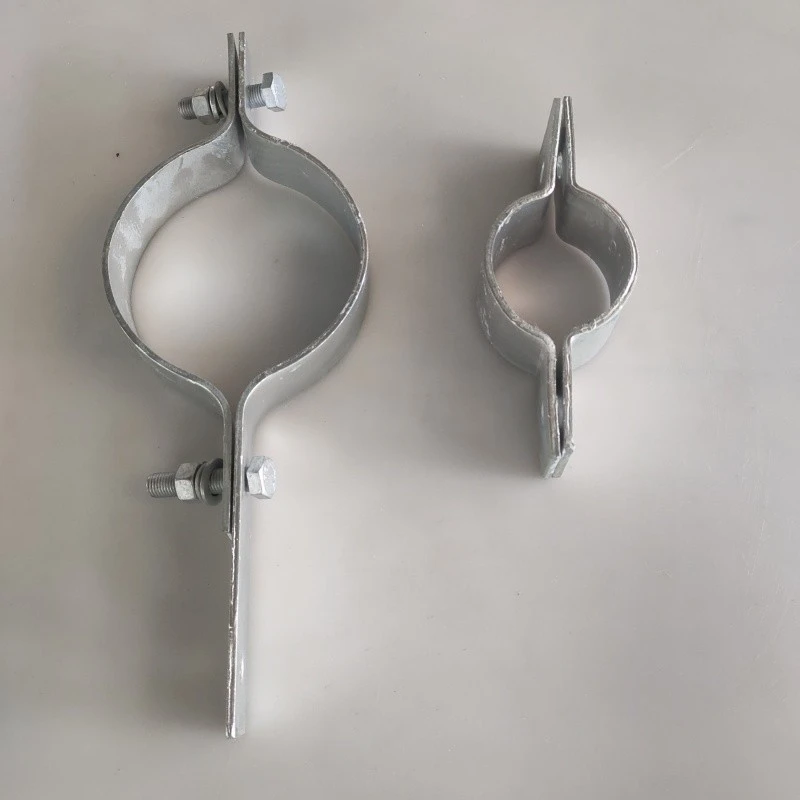

Another important type is the Cable Fastening Hoop. In food - processing equipment, there are often numerous cables and wires that need to be organized and secured. Cable fastening hoops prevent cables from becoming tangled, which could cause electrical malfunctions or pose a tripping hazard. They also protect the cables from damage, ensuring the long - term reliability of the equipment. For example, in a refrigeration unit used in a food - storage facility, cable fastening hoops keep the power and control cables in place, preventing them from being pinched or damaged by moving parts.
The Fastening Jig For Rod is also a valuable fixture in food - processing equipment. It is used to precisely position and secure rods, which are commonly found in equipment such as filling machines and packaging systems. By ensuring accurate rod placement, the fastening jig for rod helps maintain the consistency and quality of the food - processing operations. For example, in a liquid - filling machine, a properly positioned rod is essential for accurate filling levels, and the fastening jig for rod ensures that this precision is maintained.
Benefits of Using Fastening Fixtures in Food - Processing Equipment
The use of fastening fixtures in food - processing equipment offers several significant benefits. Firstly, they enhance the safety of the equipment. By securely holding components in place, fastening fixtures reduce the risk of parts coming loose during operation, which could cause injury to operators. For example, in a high - speed food - packaging machine, loose parts could be ejected at high velocities, posing a serious danger to workers.
Secondly, fastening fixtures improve the efficiency of food - processing operations. When components are properly secured, the equipment can operate at its optimal performance level. There is less vibration and movement, which reduces wear and tear on the machinery and minimizes the need for frequent repairs. This leads to increased productivity and lower production costs in the long run.
Thirdly, fastening fixtures contribute to the hygiene of food - processing equipment. Many modern fastening fixtures are designed to be easy to clean and resistant to corrosion. This is crucial in a food - processing environment where cleanliness is of the utmost importance. For example, stainless - steel fastening fixtures can be easily sanitized and are less likely to harbor bacteria or other contaminants.
Challenges and Considerations
While there are many benefits to using fastening fixtures in food - processing equipment, there are also some challenges and considerations. One of the main challenges is ensuring compliance with food - safety regulations. Different countries and regions have their own set of regulations regarding the materials and design of components used in food - processing equipment. As a fastening fixture supplier, it is our responsibility to ensure that our products meet these standards. This may involve using food - grade materials, such as stainless steel or certain types of plastics, and designing fixtures that are easy to clean and maintain.
Another consideration is the compatibility of the fastening fixtures with the specific food - processing equipment. Different machines have different requirements in terms of load capacity, temperature resistance, and chemical resistance. For example, in a high - temperature baking oven, the fastening fixtures need to be able to withstand the heat without losing their strength or integrity.
Best Practices for Using Fastening Fixtures in Food - Processing Equipment
To ensure the successful use of fastening fixtures in food - processing equipment, it is important to follow some best practices. Firstly, proper installation is crucial. Fastening fixtures should be installed according to the manufacturer's instructions to ensure a secure and reliable hold. This may involve using the correct tools and techniques, as well as applying the appropriate torque.
Secondly, regular inspection and maintenance of the fastening fixtures are necessary. Over time, the fixtures may become loose or damaged due to vibration, temperature changes, or normal wear and tear. By conducting regular inspections, any issues can be detected early and addressed before they cause major problems.
Thirdly, it is important to choose the right type of fastening fixture for the specific application. This requires a thorough understanding of the equipment's requirements and the operating environment. For example, in a wet or humid food - processing area, corrosion - resistant fastening fixtures should be used.
Conclusion
In conclusion, fastening fixtures can and should be used in food - processing equipment. They offer numerous benefits in terms of safety, efficiency, and hygiene. However, it is essential to carefully consider the challenges and follow best practices to ensure compliance with regulations and optimal performance.
As a fastening fixture supplier, we are committed to providing high - quality products that meet the strict requirements of the food - processing industry. Our Overhanging Fastener, Cable Fastening Hoop, and Fastening Jig For Rod are designed with the food - processing environment in mind, offering reliability, durability, and ease of use.
If you are in the food - processing industry and are looking for reliable fastening fixture solutions, we invite you to contact us for a detailed discussion. Our team of experts can help you select the right fixtures for your specific equipment and application, ensuring that your food - processing operations run smoothly and safely.
References
- "Food Processing Equipment Design and Operation" - A comprehensive guide on the design and operation of food - processing machinery, which includes information on the use of components such as fastening fixtures.
- "Food Safety Regulations and Standards" - Various regulatory documents that outline the requirements for components used in food - processing equipment.
- Industry research reports on the latest trends and developments in fastening fixtures for food - processing applications.