

Hey there! As a supplier of lead wire clamps, I've seen firsthand how important it is to keep these little guys in tip - top shape. In this blog, I'm gonna share some tips on how to maintain a lead wire clamp.
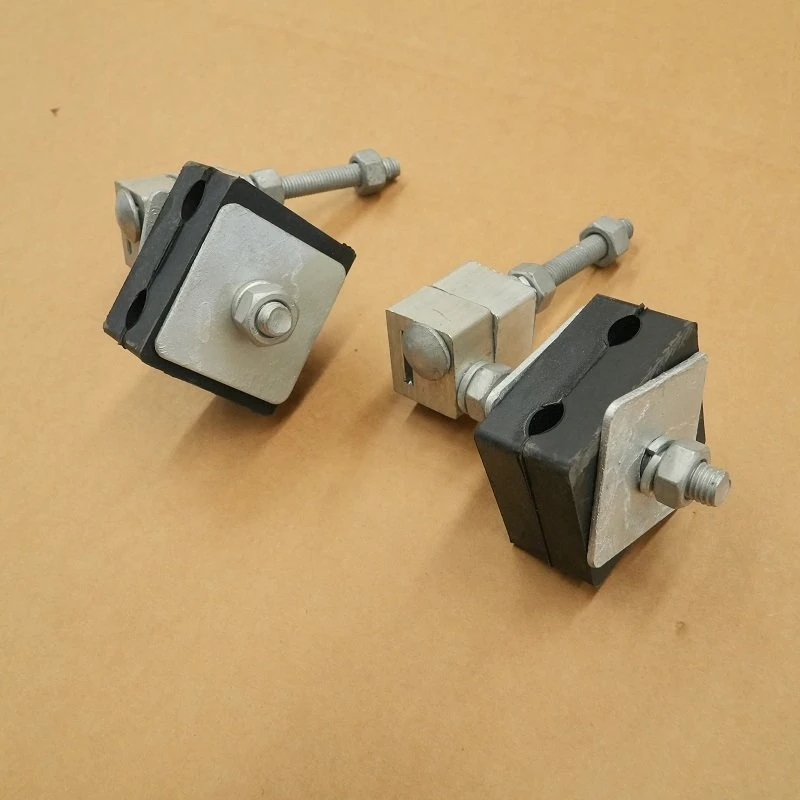
First off, let's talk about what lead wire clamps are and why they matter. Lead wire clamps are used to secure and organize wires in various electrical and telecommunications systems. They come in different shapes and sizes, like the ADSS Pole Down Lead Clamp, which is specifically designed for ADSS pole installations, and the Pull Down Retaining Clamp, which helps in pulling down and retaining wires.

Regular Inspection
The first step in maintaining a lead wire clamp is regular inspection. You should take the time to visually check the clamps on a routine basis. Look for any signs of wear and tear, such as cracks, chips, or broken parts. If you notice any of these issues, it's important to replace the clamp right away. A damaged clamp can't properly hold the wires, which can lead to loose connections, electrical shorts, or even safety hazards.
When inspecting, pay close attention to the areas where the clamp makes contact with the wire. Over time, the constant pressure can cause the surface of the clamp to wear down, reducing its grip on the wire. You can use a magnifying glass if needed to get a better look at these areas. Also, check the fasteners, like screws or bolts, to make sure they're tight. Loose fasteners can cause the clamp to shift or come off, so tightening them up when necessary is crucial.
Cleaning
Cleaning is another essential part of maintenance. Dirt, dust, and debris can accumulate on the clamps, especially in industrial or outdoor environments. This buildup can interfere with the clamp's performance and even cause corrosion. To clean the clamps, you can use a soft brush or a cloth to gently remove the dirt. For stubborn grime, you can use a mild cleaning solution, but make sure it's safe for the material of the clamp.
After cleaning, dry the clamps thoroughly. Moisture can also lead to corrosion, so it's important to keep the clamps as dry as possible. If the clamps are installed in a damp area, you might want to consider using a protective coating to prevent corrosion.
Lubrication
Some lead wire clamps may require lubrication to function properly. Lubrication can reduce friction between the moving parts of the clamp, making it easier to open and close. It can also help prevent wear and tear. However, not all clamps need lubrication, so you'll need to check the manufacturer's instructions.
If lubrication is required, use a suitable lubricant. Silicone - based lubricants are often a good choice because they're resistant to moisture and don't attract dirt. Apply the lubricant sparingly to the appropriate parts of the clamp, like the hinges or the areas where the wire passes through.
Storage
Proper storage is also important, especially if you have extra lead wire clamps on hand. Store the clamps in a clean, dry place away from direct sunlight and extreme temperatures. If possible, keep them in their original packaging or in a sealed container to protect them from dust and moisture.
When storing the clamps, make sure they're not stacked in a way that could cause damage. For example, don't stack heavy objects on top of them, as this could deform the clamps. If you're storing a large number of clamps, you might want to use a storage rack or a cabinet to keep them organized.
Handling
How you handle the lead wire clamps can also affect their lifespan. When installing or removing the clamps, use the right tools and follow the proper procedures. Don't force the clamps open or closed, as this can cause damage. Instead, use a screwdriver or a wrench of the correct size to loosen or tighten the fasteners.
Avoid dropping or hitting the clamps, as this can cause cracks or other damage. If you're working in a high - traffic area, make sure to protect the clamps from being bumped into by equipment or people.
Compatibility
It's crucial to ensure that the lead wire clamps you're using are compatible with the wires and the installation environment. Using the wrong type of clamp can lead to poor performance and premature failure. For example, if you're using a clamp that's too small for the wire, it won't be able to hold the wire securely. On the other hand, if the clamp is too large, it may not provide enough grip.
When choosing a clamp, consider the size, material, and shape of the wire, as well as the environmental conditions. For instance, in outdoor installations, you'll need a clamp that's resistant to weather and UV rays. The Fixing Fixture is a great option for many applications, as it's designed to provide a secure and reliable connection.
Training
If you have a team of workers who are responsible for installing and maintaining lead wire clamps, it's important to provide them with proper training. Training can ensure that they know how to handle the clamps correctly, perform inspections and maintenance, and identify potential problems.
You can organize on - site training sessions or provide online resources for your workers. Make sure the training covers all aspects of lead wire clamp maintenance, from inspection to replacement. Encourage your workers to ask questions and share their experiences, as this can help improve the overall maintenance process.
In conclusion, maintaining a lead wire clamp is not that complicated, but it does require some attention and effort. By following these tips, you can ensure that your lead wire clamps last longer, perform better, and keep your electrical and telecommunications systems running smoothly.
If you're in the market for high - quality lead wire clamps or have any questions about maintenance, feel free to reach out. We're here to help you find the right solutions for your needs and ensure that your systems are in top condition.
References
- Electrical Installation Handbook
- Telecommunications Equipment Maintenance Guide