

As a seasoned supplier of ADSS (All-Dielectric Self-Supporting) Adapter Boxes, I often encounter inquiries regarding the dimensions of these crucial components in the telecommunications infrastructure. Understanding the standard dimensions of an ADSS Adapter Box is essential for proper installation, compatibility with other equipment, and overall system efficiency. In this blog post, I will delve into the key dimensions of a standard ADSS Adapter Box, shedding light on their significance and how they impact the installation process.
External Dimensions
The external dimensions of an ADSS Adapter Box are primarily determined by the number of fiber optic cables it can accommodate, the type of splicing or termination methods used, and the environmental conditions in which it will be installed. A typical ADSS Adapter Box is designed to be compact yet robust, ensuring easy installation and long-term durability.
Length
The length of an ADSS Adapter Box can vary depending on the number of fiber optic cables it is intended to house. For smaller boxes designed to accommodate a few cables, the length may range from 300 mm to 500 mm. Larger boxes, capable of handling a higher number of cables, can have lengths of up to 1000 mm or more. The length of the box is crucial as it determines the amount of space available for cable management, splicing, and termination.
Width
The width of an ADSS Adapter Box is typically in the range of 200 mm to 400 mm. This dimension is important for ensuring that the box can be easily mounted on poles, walls, or other structures. A wider box may provide more space for internal components but may also require more mounting space.
Height
The height of an ADSS Adapter Box is usually between 150 mm and 300 mm. This dimension is determined by the height of the internal components, such as splice trays and cable management systems. A taller box may be required for boxes with multiple splice trays or complex cable management requirements.
Internal Dimensions
The internal dimensions of an ADSS Adapter Box are equally important as they determine the capacity and functionality of the box. These dimensions include the size of the splice trays, the cable management area, and the space available for termination.
Splice Tray Dimensions
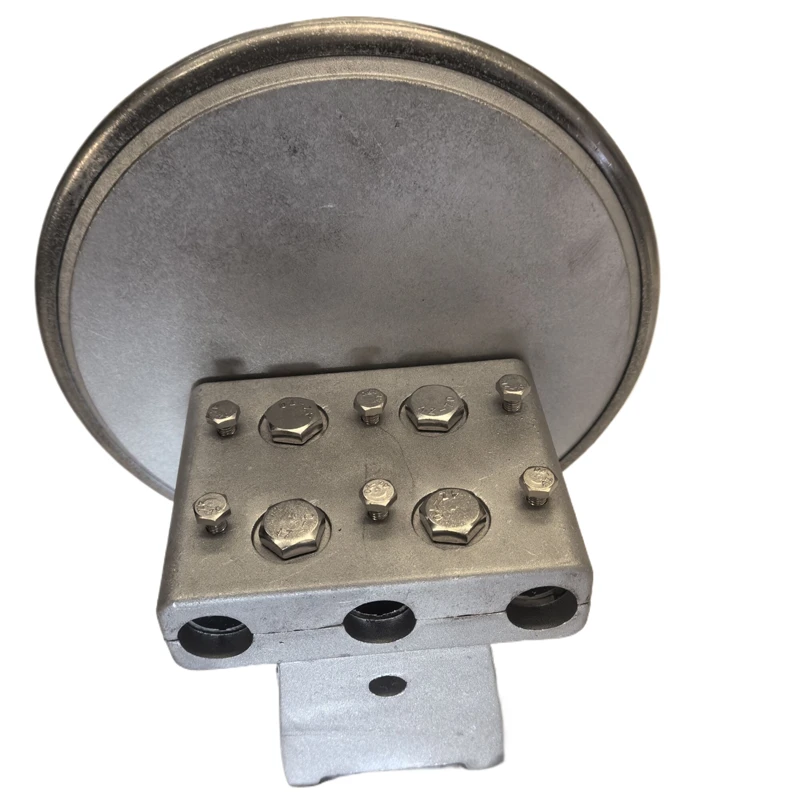
Splice trays are used to hold the fiber optic splices and protect them from environmental factors. The dimensions of the splice trays are typically designed to accommodate a specific number of splices. A standard splice tray may have dimensions of approximately 150 mm x 150 mm and can hold up to 12 splices. Larger splice trays can hold up to 24 or more splices and may have dimensions of 200 mm x 200 mm or larger.

Cable Management Area
The cable management area within an ADSS Adapter Box is used to organize and route the fiber optic cables. This area should be large enough to allow for easy cable routing and to prevent cable congestion. The size of the cable management area can vary depending on the number of cables and the complexity of the cable routing. A typical cable management area may have dimensions of 100 mm x 100 mm or larger.
Termination Space
The termination space within an ADSS Adapter Box is used to connect the fiber optic cables to other equipment, such as optical network terminals or switches. This space should be large enough to accommodate the termination equipment and to allow for easy access for maintenance and repairs. The size of the termination space can vary depending on the type of termination equipment used and the number of cables being terminated.
Impact of Dimensions on Installation
The dimensions of an ADSS Adapter Box have a significant impact on the installation process. Proper planning and consideration of these dimensions are essential to ensure a successful installation.
Mounting Requirements
The external dimensions of the ADSS Adapter Box determine the mounting requirements. The box must be mounted securely on a stable structure, such as a pole or a wall. The mounting location should be chosen carefully to ensure easy access for maintenance and repairs. The dimensions of the box also determine the type of mounting hardware required, such as brackets or clamps.
Cable Routing
The internal dimensions of the ADSS Adapter Box play a crucial role in cable routing. The cable management area must be large enough to allow for easy cable routing and to prevent cable congestion. The splice trays and termination space must also be properly sized to accommodate the number of cables and the type of splicing and termination methods used.
Compatibility with Other Equipment
The dimensions of the ADSS Adapter Box must be compatible with other equipment in the telecommunications infrastructure. For example, the box must be able to accommodate the size and type of fiber optic cables being used, as well as the termination equipment. Compatibility issues can lead to installation problems and may affect the performance of the entire system.
Related Products
In addition to ADSS Adapter Boxes, there are several related products that are commonly used in the telecommunications industry. These products include Cable Splice Kit, Metal Joint Box, and Optical Cable Connector Box.
Cable Splice Kit
A cable splice kit is used to splice fiber optic cables together. These kits typically include all the necessary components, such as splice trays, fusion splicers, and fiber optic cables. The size and capacity of the cable splice kit should be chosen based on the number of splices required.
Metal Joint Box
A metal joint box is used to protect the fiber optic splices and connections from environmental factors. These boxes are typically made of metal and are designed to be durable and weatherproof. The dimensions of the metal joint box should be chosen based on the number of cables and the type of splicing and termination methods used.
Optical Cable Connector Box
An optical cable connector box is used to connect fiber optic cables to other equipment, such as optical network terminals or switches. These boxes typically include termination equipment, such as connectors and adapters. The dimensions of the optical cable connector box should be chosen based on the number of cables and the type of termination equipment used.
Conclusion
In conclusion, understanding the dimensions of a standard ADSS Adapter Box is essential for proper installation, compatibility with other equipment, and overall system efficiency. The external dimensions determine the mounting requirements and the space available for installation, while the internal dimensions determine the capacity and functionality of the box. By carefully considering these dimensions and choosing the right ADSS Adapter Box for your specific needs, you can ensure a successful installation and a reliable telecommunications system.
If you are interested in purchasing ADSS Adapter Boxes or any of the related products mentioned in this blog post, please feel free to contact us for more information and to discuss your specific requirements. We are committed to providing high-quality products and excellent customer service.
References
- Telecommunications Industry Association (TIA) standards for fiber optic enclosures.
- International Electrotechnical Commission (IEC) standards for fiber optic equipment.
- Manufacturer's specifications for ADSS Adapter Boxes, Cable Splice Kits, Metal Joint Boxes, and Optical Cable Connector Boxes.