

When it comes to the world of industrial manufacturing and assembly, fastening fixtures play a pivotal role. As a fastening fixture supplier, I've witnessed firsthand how the right fixture can transform the efficiency, precision, and overall quality of a production process. In this blog, I'll delve into the key features to look for in a fastening fixture, sharing insights from years of experience in the industry.
Precision and Accuracy
One of the most critical features of a fastening fixture is its ability to provide precise and accurate positioning. In any assembly process, even the slightest deviation can lead to significant problems, such as misaligned parts, loose connections, or structural weaknesses. A high - quality fastening fixture should be designed with tight tolerances to ensure that components are held in the exact position required for proper fastening.

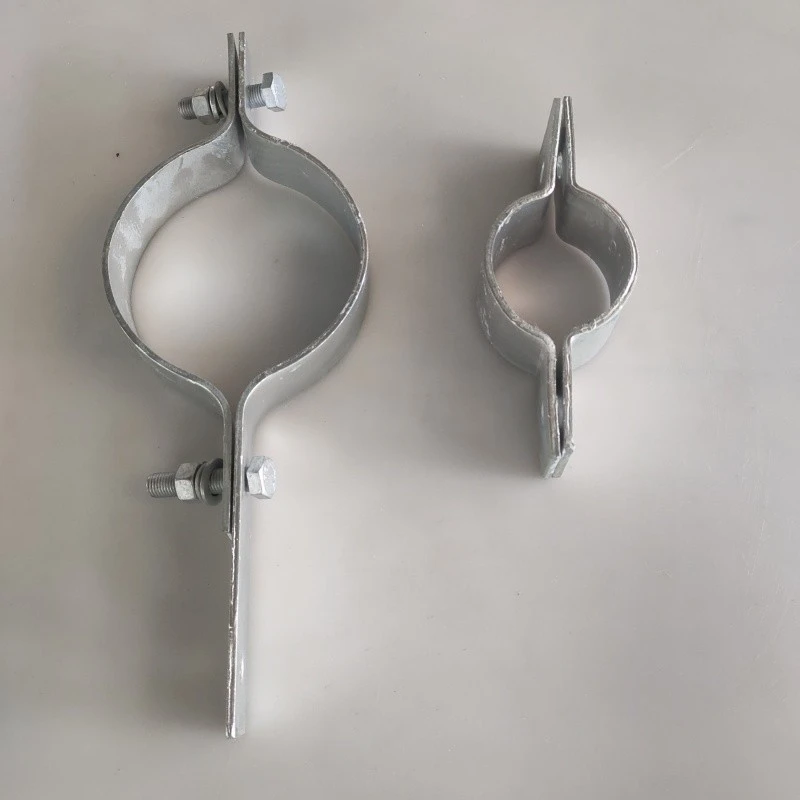
For example, in the automotive industry, where safety and performance are paramount, engine components need to be fastened with extreme precision. A fastening fixture that can accurately position bolts and nuts ensures that the engine operates smoothly and efficiently. Our Fastening Jig For Rod is engineered to provide this level of precision, allowing for the reliable assembly of rods in various applications.
Durability and Longevity
Industrial environments can be harsh, with exposure to high temperatures, heavy vibrations, and corrosive substances. A fastening fixture must be able to withstand these conditions over an extended period. The materials used in the construction of the fixture are crucial in determining its durability.
Steel is a popular choice for many fastening fixtures due to its high strength and resistance to wear. Aluminum, on the other hand, offers a lightweight alternative with good corrosion resistance. Additionally, the manufacturing process, such as heat treatment and surface coating, can enhance the fixture's durability. Our fixtures are made from high - quality materials and undergo rigorous testing to ensure they can withstand the rigors of daily use. For instance, our Cable Fastening Hoop is designed to be durable, providing long - term performance in cable management applications.
Flexibility and Adaptability
In today's dynamic manufacturing landscape, production requirements can change rapidly. A fastening fixture that offers flexibility and adaptability can save both time and money. This means that the fixture should be able to accommodate different sizes, shapes, and types of components.
Modular designs are a great way to achieve flexibility. By using interchangeable parts or adjustable features, a single fixture can be reconfigured for multiple applications. For example, a fixture that can be adjusted to hold different diameters of rods or cables can be used in a variety of projects. Our fastening fixtures are designed with flexibility in mind, allowing our customers to adapt to changing production needs. The Close The Hoop is an example of a fixture that can be adjusted to fit different cable sizes, providing a versatile solution for cable fastening.
Ease of Use
A fastening fixture should be easy to operate, even for workers with limited technical expertise. This includes features such as clear instructions, intuitive controls, and quick - change mechanisms. Ease of use not only improves productivity but also reduces the risk of errors.
For example, fixtures with simple clamping mechanisms that can be easily tightened or loosened save time during the assembly process. Additionally, fixtures that are lightweight and easy to handle can be moved around the production floor with ease. Our fixtures are designed with the end - user in mind, ensuring that they are user - friendly and require minimal training to operate.
Safety Features
Safety is always a top priority in any industrial setting. Fastening fixtures should be equipped with safety features to protect workers from potential hazards. This can include guards to prevent fingers from getting caught in moving parts, and locking mechanisms to ensure that the fixture remains stable during operation.
For instance, fixtures used in high - speed assembly lines may have emergency stop buttons or sensors that detect abnormal movements. Our fastening fixtures are designed with safety in mind, incorporating features that comply with industry safety standards.
Cost - Effectiveness
While quality is important, cost - effectiveness is also a significant consideration for businesses. A high - quality fastening fixture should offer a good balance between performance and cost. This means that it should be priced competitively while still providing the necessary features and durability.
When evaluating the cost - effectiveness of a fastening fixture, it's important to consider the long - term benefits. A more expensive fixture that lasts longer and improves productivity may actually be more cost - effective in the long run. Our company is committed to providing cost - effective solutions to our customers, offering high - quality fixtures at competitive prices.
Compatibility with Existing Equipment
In many cases, a fastening fixture needs to be integrated into an existing production line or used in conjunction with other equipment. Compatibility is, therefore, a crucial feature. The fixture should be designed to work seamlessly with other tools and machinery, such as robots, conveyors, and inspection systems.
For example, if a production line uses automated robots for assembly, the fastening fixture should be able to communicate with the robots and be compatible with their programming. Our fastening fixtures are designed with compatibility in mind, ensuring that they can be easily integrated into existing production systems.
Technical Support and After - Sales Service
Even the best - designed fastening fixtures may encounter issues over time. That's why it's important to choose a supplier that offers comprehensive technical support and after - sales service. This includes providing troubleshooting assistance, spare parts, and maintenance services.
At our company, we pride ourselves on our excellent customer service. Our team of experts is available to answer any questions and provide support whenever needed. We also offer training programs to help our customers get the most out of our fastening fixtures.
In conclusion, when looking for a fastening fixture, it's important to consider a range of features, including precision, durability, flexibility, ease of use, safety, cost - effectiveness, compatibility, and after - sales service. As a fastening fixture supplier, we are dedicated to providing high - quality products that meet the diverse needs of our customers. If you're in the market for a fastening fixture, I encourage you to reach out to us to discuss your specific requirements. We'd be happy to work with you to find the perfect solution for your production process.
References
- Smith, J. (2018). Industrial Fixture Design: Principles and Applications. Publisher: ABC Publishing.
- Brown, A. (2019). The Importance of Precision in Manufacturing. Journal of Manufacturing Technology, 25(3), 123 - 135.
- Green, C. (2020). Durability and Materials Selection for Industrial Fixtures. Materials Science Review, 15(2), 78 - 89.