

Hey there! As a supplier of OPGW Connector Boxes, I often get asked about the humidity tolerance of these crucial pieces of equipment. So, let's dive right into it and break down what the humidity tolerance of an OPGW Connector Box really means.
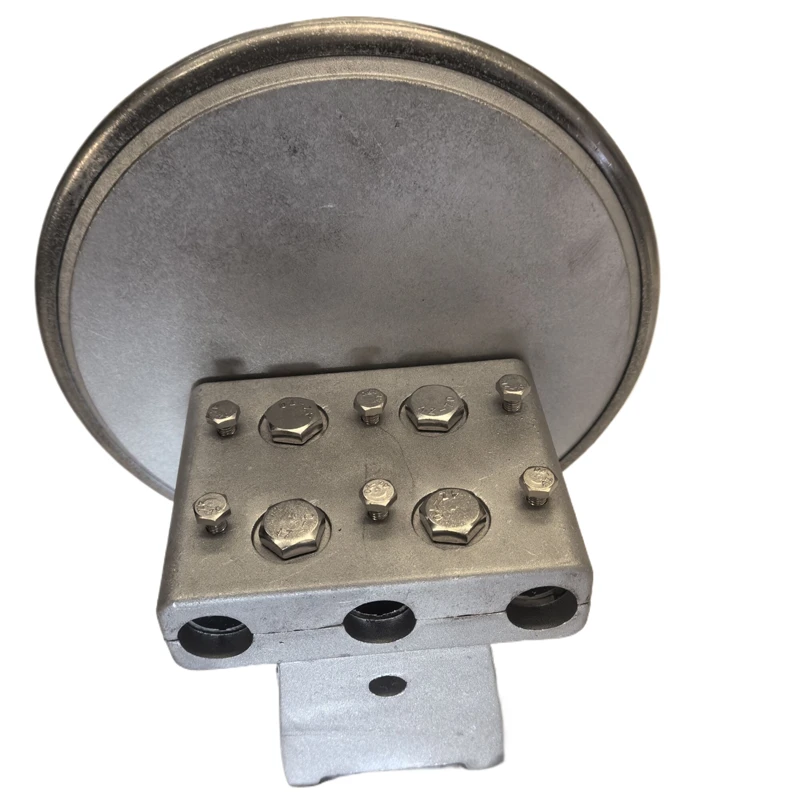
First off, let's understand what an OPGW Connector Box is. It's a key component in power grid communication systems. OPGW, which stands for Optical Fiber Composite Overhead Ground Wire, combines the functions of a ground wire and an optical fiber cable. The OPGW Connector Box is used to house and protect the splices of the optical fibers within the OPGW cable. It ensures the stability and reliability of the optical communication in the power grid.
Now, humidity is a big deal when it comes to these boxes. High humidity can lead to a bunch of problems. For starters, moisture can cause corrosion of the metal parts inside the box. This includes the connectors, brackets, and any other metal components. Corrosion can weaken these parts, leading to mechanical failures and potentially disrupting the optical connection.

In addition, moisture can also affect the optical fibers themselves. Water molecules can cause scattering and absorption of light signals in the fibers, which results in signal loss. This means that the quality of the communication transmitted through the fibers can be severely degraded. Even a small amount of moisture can have a significant impact on the performance of the optical fibers over time.
So, what's the ideal humidity tolerance for an OPGW Connector Box? Well, most high - quality OPGW Connector Boxes are designed to operate within a relative humidity range of 0% to 95% non - condensing. This means that the box can function properly as long as the humidity stays within this range and there is no condensation forming inside the box.
But why the non - condensing part? Condensation occurs when the air inside the box cools down to its dew point, causing water vapor to turn into liquid water. This liquid water can directly come into contact with the components inside the box, causing all sorts of problems like short - circuits in electrical parts (if any) and accelerated corrosion.
To ensure that the humidity inside the box stays within the acceptable range, manufacturers use a variety of techniques. One common method is to use seals and gaskets to prevent moisture from entering the box. These seals are made of materials that are resistant to water and can form a tight barrier around the box.
Another approach is to use desiccants inside the box. Desiccants are substances that can absorb moisture from the air. They are usually placed in small packets within the box and can help to keep the air inside dry. Some advanced OPGW Connector Boxes also come with humidity sensors and ventilation systems. The sensors can monitor the humidity levels inside the box, and if the humidity gets too high, the ventilation system can be activated to exchange the moist air with drier air from the outside.
When choosing an OPGW Connector Box, it's important to consider the environmental conditions where it will be installed. If the installation site has high humidity levels, such as near the coast or in a tropical climate, you'll need a box with better humidity - resistant features.
Let's talk about how the humidity tolerance relates to other aspects of the OPGW Connector Box. For example, the choice of materials used in the box can affect its humidity tolerance. Boxes made of high - quality plastics or metals that are resistant to corrosion are better able to withstand high humidity. Also, the design of the box, including its shape and the number of access points, can impact how well it can keep moisture out.
Now, if you're thinking about purchasing an OPGW Connector Box, you might also be interested in Cable Splice Kit. These kits are often used in conjunction with the OPGW Connector Box to make the splicing process of the optical fibers easier and more reliable.
As a supplier, I can tell you that we've put a lot of effort into developing OPGW Connector Boxes that have excellent humidity tolerance. Our OPGW Connection Box products are rigorously tested in different humidity conditions to ensure that they meet the highest standards of performance and reliability.
If you're in the market for an OPGW Connector Box or related products, I encourage you to get in touch for a procurement discussion. We can provide you with detailed information about our products, their features, and how they can meet your specific needs. Whether you're setting up a new power grid communication system or upgrading an existing one, we're here to help.
In conclusion, understanding the humidity tolerance of an OPGW Connector Box is crucial for ensuring the long - term performance and reliability of your optical communication system. By choosing a box with the right humidity - resistant features and taking proper installation and maintenance measures, you can minimize the risks associated with high humidity and keep your communication system running smoothly.
References:
- Industry standards for OPGW Connector Boxes
- Technical manuals of OPGW and related optical communication equipment
- Research papers on the effects of humidity on optical fibers and electrical components