

As a seasoned supplier of angle fasteners, I often encounter inquiries about the maximum angle that these essential components can support. This topic is crucial for various industries, including construction, manufacturing, and DIY projects, as it directly impacts the safety and functionality of the structures they help to build. In this blog post, I'll delve into the factors that determine the maximum angle support of angle fasteners, share some practical insights, and guide you on how to make the right choice for your specific needs.
Understanding Angle Fasteners
Angle fasteners are hardware devices designed to connect two parts at a specific angle, typically 90 degrees, but they can also be used for other angles depending on the application. They come in various shapes, sizes, and materials, each tailored to different load requirements and environmental conditions. Common types of angle fasteners include L-shaped brackets, corner braces, and adjustable angle connectors.
Factors Affecting the Maximum Angle Support
Several factors influence the maximum angle that an angle fastener can support. Understanding these factors is essential for ensuring the proper selection and installation of angle fasteners in your projects.
Material and Quality
The material used to manufacture the angle fastener plays a significant role in determining its strength and load-bearing capacity. High-quality materials such as stainless steel, carbon steel, and aluminum offer excellent durability and resistance to corrosion, making them suitable for a wide range of applications. The manufacturing process also affects the fastener's quality, with precision-machined fasteners generally providing better performance and reliability.
Design and Geometry
The design and geometry of the angle fastener are crucial for its ability to support different angles. Fasteners with a wider base and thicker legs tend to offer greater stability and load-bearing capacity, especially at larger angles. Additionally, the shape of the fastener, such as the presence of ribs or reinforcements, can enhance its strength and prevent deformation under stress.
Installation Method
Proper installation is essential for maximizing the performance of angle fasteners. Using the correct type and size of screws, bolts, or rivets, and ensuring that they are tightened to the appropriate torque, can significantly improve the fastener's ability to support the intended load. Incorrect installation, such as using the wrong fasteners or not tightening them properly, can lead to premature failure and compromise the safety of the structure.
Load Type and Magnitude
The type and magnitude of the load that the angle fastener will be subjected to are critical factors in determining its maximum angle support. Static loads, such as the weight of a structure or equipment, require different fastener specifications than dynamic loads, such as vibrations or impacts. Additionally, the distribution of the load across the fastener can affect its performance, with concentrated loads generally requiring stronger fasteners.
Determining the Maximum Angle Support
To determine the maximum angle that an angle fastener can support, it is necessary to consider the factors mentioned above and consult the manufacturer's specifications. Most reputable manufacturers provide detailed information about the load-bearing capacity and maximum angle support of their fasteners, based on standardized testing procedures.
In some cases, it may be necessary to conduct additional testing or calculations to ensure that the fastener can safely support the intended load at the desired angle. This is particularly important for complex or high-stress applications, where the consequences of fastener failure can be severe.
Practical Considerations for Different Applications
The maximum angle support of angle fasteners can vary depending on the specific application. Here are some practical considerations for different industries and projects:

Construction
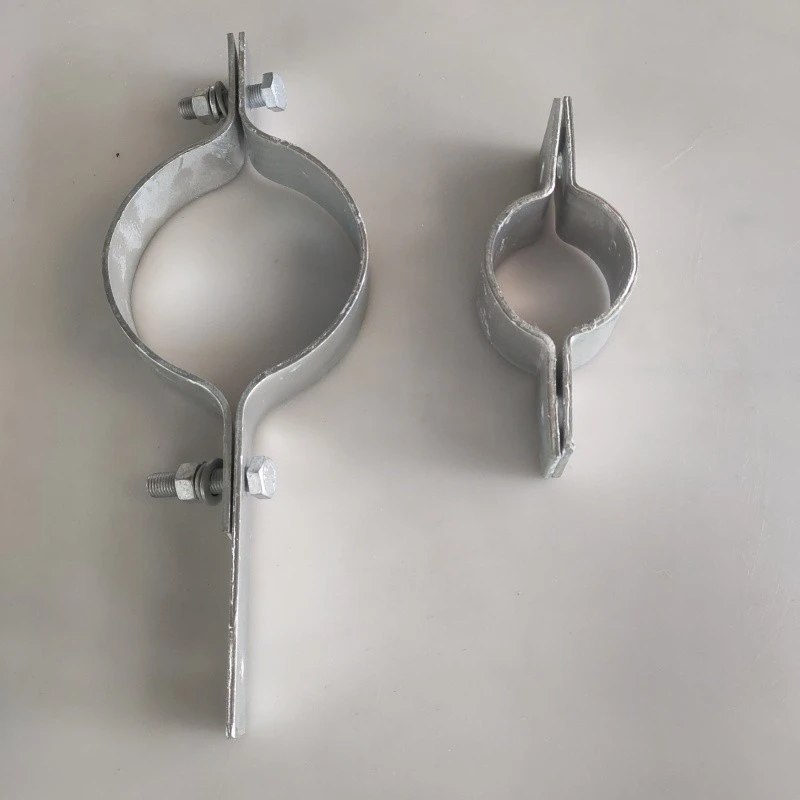
In construction, angle fasteners are commonly used to connect structural members such as beams, columns, and trusses. For these applications, it is essential to choose fasteners that can support the high loads and forces associated with building structures. Straight Fastener are often used for vertical connections, while adjustable angle connectors can be used for more complex geometries.
Manufacturing
In manufacturing, angle fasteners are used to assemble machinery, equipment, and fixtures. The maximum angle support required in these applications depends on the specific design and function of the product. For example, Fastening Jig For Rod may require fasteners that can support precise angles and high levels of accuracy.
DIY Projects
For DIY projects, such as furniture making or home repairs, the maximum angle support required is generally lower than in construction or manufacturing. However, it is still important to choose the right fasteners for the job to ensure the stability and durability of the project. Overhanging Fastener can be useful for creating shelves or other structures that require support at an angle.
Choosing the Right Angle Fastener
When choosing an angle fastener for your project, it is important to consider the following factors:
- Load Requirements: Determine the type and magnitude of the load that the fastener will be subjected to, and choose a fastener with a sufficient load-bearing capacity.
- Angle Requirements: Consider the specific angle at which the fastener will be used, and choose a fastener that can support that angle.
- Environmental Conditions: If the fastener will be exposed to harsh environmental conditions, such as moisture, chemicals, or extreme temperatures, choose a fastener made of a material that offers good corrosion resistance and durability.
- Installation Method: Ensure that you have the necessary tools and skills to install the fastener correctly, and choose a fastener that is compatible with your installation method.
Contact Us for Your Angle Fastener Needs
If you have any questions or need assistance in choosing the right angle fasteners for your project, please don't hesitate to contact us. As a leading supplier of high-quality angle fasteners, we have the expertise and experience to help you find the perfect solution for your specific needs. Whether you're a professional contractor, a DIY enthusiast, or a manufacturer, we can provide you with the products and support you need to ensure the success of your project.
References
- Smith, J. (2020). Handbook of Fasteners and Joining. McGraw-Hill Education.
- Jones, R. (2019). Structural Engineering Handbook. CRC Press.
- ASTM International. (2021). Standard Specifications for Structural Fasteners. ASTM International.